
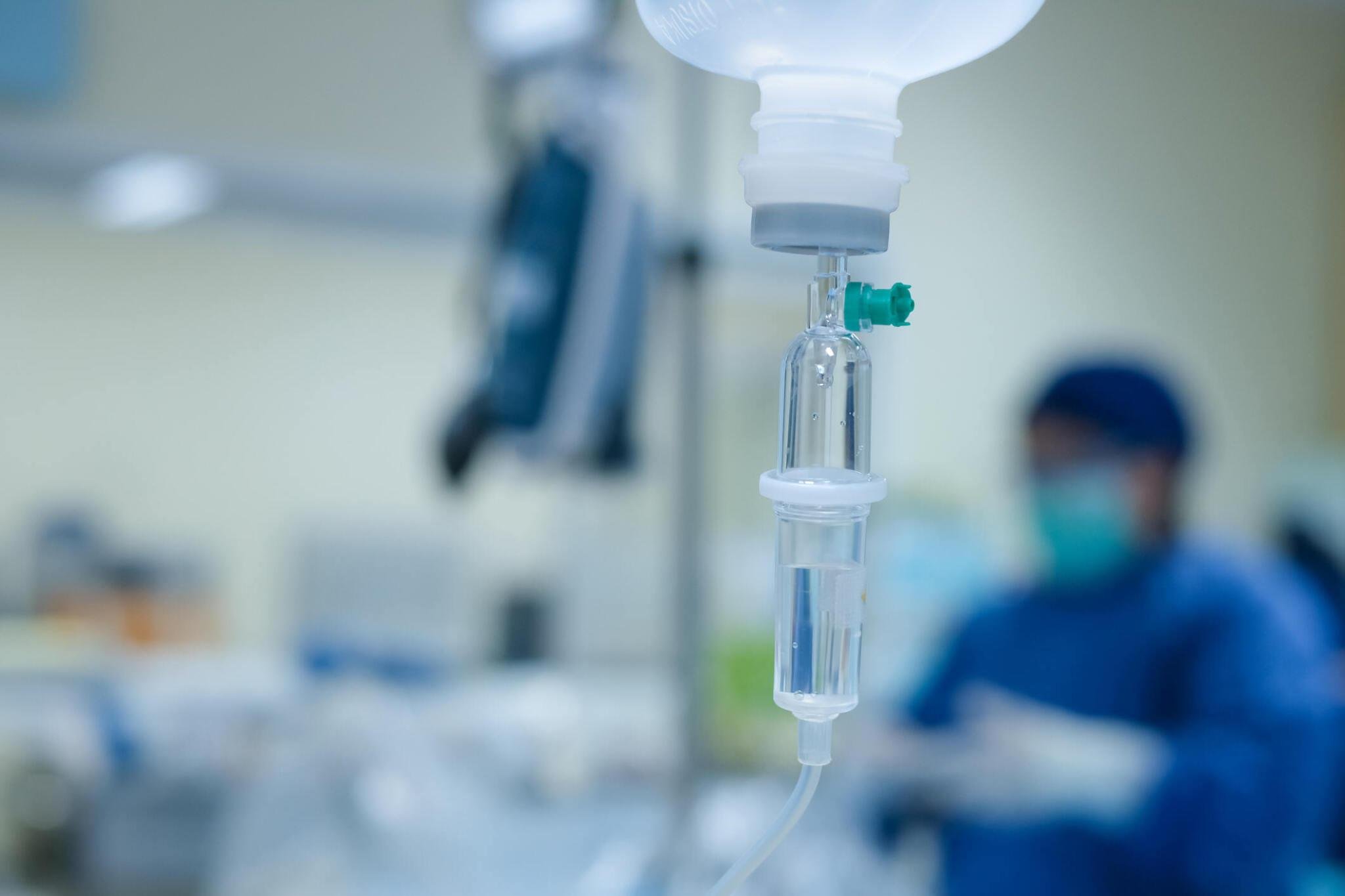
Chemotherapy is a type of cancer treatment that uses drugs to destroy or inhibit the growth of rapidly dividing cells, including cancer cells. The main goal of chemotherapy is to target and kill cancer cells throughout the body, but it can also affect normal, healthy cells that divide quickly. The drugs used in chemotherapy are often called cytotoxic drugs because they have toxic effects on cells
http://www.mayacarepharmacy.com
- Purpose of Chemotherapy:
- Chemotherapy is a form of cancer treatment that uses drugs to kill or slow the growth of cancer cells.
- It can be used as the primary treatment or in combination with other therapies like surgery, radiation, or immunotherapy.
- Types of Chemotherapy Drugs:
- There are various types of chemotherapy drugs, and they can be categorized based on their mechanism of action, target, or chemical structure.
- Some common classes include alkylating agents, antimetabolites, anthracyclines, and taxanes.
- Administration:
- Chemotherapy drugs can be administered in different ways, including oral pills, injections, or intravenous (IV) infusions.
- The method of administration depends on the specific drug and the type of cancer being treated.
- Side Effects:
- Chemotherapy often comes with side effects, which can vary from person to person. Common side effects include fatigue, nausea, hair loss, and weakened immune system.
- It’s crucial for patients to communicate openly with their healthcare team about side effects so that they can be managed effectively.
- Impact on Normal Cells:
- Chemotherapy drugs can affect not only cancer cells but also normal, healthy cells. This is why side effects occur.
- The goal is to strike a balance between killing cancer cells and minimizing damage to healthy tissues.
- Treatment Plan:
- Chemotherapy is typically administered in cycles with rest periods to allow the body to recover. The treatment plan is individualized based on the type and stage of cancer, as well as the patient’s overall health.
- Monitoring and Adjustments:
- Regular monitoring of a patient’s response to chemotherapy is essential. Adjustments to the treatment plan may be made based on how well the cancer is responding and the occurrence of side effects.
- Supportive Care:
- Supportive care measures, such as medications to manage side effects, nutritional support, and emotional well-being, are integral parts of a comprehensive cancer treatment plan.
- Importance of Communication:
- Open and honest communication between patients and their healthcare team is crucial. Patients should ask questions, express concerns, and actively participate in decisions about their treatment.
- Lifestyle Considerations:
- Chemotherapy can impact a patient’s daily life, and adjustments may be needed. This can include dietary changes, modifications in physical activity, and emotional support from friends and family.
- what should a client undergoing chemotherapy know
- When undergoing chemotherapy, patients should be well-informed about various aspects of their treatment to actively participate in their care and manage potential side effects. Here are important things that patients should know:
- Treatment Plan:
- Understand the specific chemotherapy drugs being used, the dosage, and the treatment schedule. Be aware of the overall treatment plan, including the duration of treatment and any breaks between cycles.
- Side Effects:
- Be aware of potential side effects associated with the chemotherapy drugs being administered. Common side effects may include nausea, fatigue, hair loss, and changes in blood cell counts. Knowing what to expect can help in proactive management.
- Communication with Healthcare Team:
- Maintain open and honest communication with your healthcare team. Report any side effects, concerns, or changes in your health promptly. Your medical team can provide guidance and adjustments to manage side effects effectively.
- Support System:
- Build a strong support system. This may include family, friends, and support groups. Emotional support is crucial during chemotherapy, and having a network of people to lean on can make the process more manageable.
- Nutrition and Hydration:
- Pay attention to nutrition and hydration. Chemotherapy can affect appetite and taste, and some foods may be more tolerable than others. Stay hydrated and discuss dietary concerns with your healthcare team.https://mayacarepharmacy.com/?p=23154&preview=true
- Physical Activity:
- Engage in appropriate physical activity as advised by your healthcare team. While there may be limitations, maintaining some level of physical activity can contribute to overall well-being.
- Immune System Care:
- Chemotherapy can weaken the immune system. Follow guidelines to minimize the risk of infections, such as practicing good hygiene, avoiding crowded places, and getting recommended vaccinations.
- Medication Management:
- Take medications as prescribed. This includes any pre-medications provided to manage side effects or support the effectiveness of chemotherapy.
- Monitoring and Follow-ups:
- Attend all scheduled monitoring appointments and follow-up visits. Regular blood tests and assessments are essential to track the progress of treatment and manage any potential complications.
- Coping Strategies:
- Explore coping strategies for managing stress and anxiety. This may include relaxation techniques, meditation, or seeking support from mental health professionals.
- Financial and Practical Considerations:
- Understand the financial implications of treatment. Discuss insurance coverage, potential costs, and available resources for financial assistance.
- Advance Care Planning:
- Consider discussing and documenting your preferences for future medical care, including end-of-life care, with your healthcare team and loved ones.
- Second Opinions:
- If uncertain about the treatment plan or diagnosis, don’t hesitate to seek a second opinion from another qualified medical professional.
- Treatment Plan: